
Istanbul
Istanbul Beyond Sultanahmet: Balat, Chora, Galata and the Asian Side
By KübraLicensed national guide · 14 years
Short answer: Once you have seen Sultanahmet, spend a day on the Golden Horn (Fener, Balat, the Chora mosaics and Süleymaniye) and another across the water (Galata and Karaköy, then a ferry to Kadıköy or Üsküdar on the Asian side). Ferries and an Istanbulkart make this easy, and Çamlıca Hill gives you the whole city from above at the end.
Most first-time visitors see Istanbul’s old city and leave thinking they know it. They have seen one district. The neighborhoods along the Golden Horn, the streets above Karaköy and the Asian shore show you how people actually live here, and they hold some of the city’s most important Byzantine and Ottoman buildings.
This guide covers where to go beyond Sultanahmet, what each area is like as of October 2026, how to combine them in a day, and which ones suit which kind of traveler.
What is there to see in Fener and Balat?
Fener and Balat are two old neighborhoods on the Golden Horn, historically home to Greek Orthodox, Jewish and Armenian communities. Here you find the Ecumenical Patriarchate, the Bulgarian iron church of St. Stephen, and steep streets of colored houses.
The Ecumenical Patriarchate. The Patriarchal Church of St. George in Fener has been the seat of the Ecumenical Patriarch of Constantinople since 1601. It is a modest building from the outside, but inside you find a carved iconostasis and relics of St. Gregory the Theologian and St. John Chrysostom, which were returned to the Patriarchate in 2004. It is a working church, so visit quietly and dress modestly. For many of our Orthodox and other Christian guests, this is the most meaningful stop of the day.
St. Stephen of the Bulgarians. A few minutes along the shore stands the Bulgarian St. Stephen Church, often called the Iron Church. Its cast-iron parts were made in Vienna and shipped down the Danube and across the Black Sea to Balat, where the church was assembled and opened for worship in 1898. It is one of the earliest prefabricated buildings of its kind. After a long restoration, it reopened on January 7, 2018.
The streets. Above the shore, Balat’s lanes climb toward the old Greek school known as the Red Castle (the Phanar Greek Orthodox College). The lanes are steep and cobbled. Wear proper shoes.
Can you still see the Chora mosaics?
Yes. Chora, known in Turkish as Kariye, reopened on May 6, 2024 as a mosque after a long restoration, and the famous mosaics and frescoes in the outer areas remain on view to visitors. Foreign visitors pay an entrance fee.
Chora is a small Byzantine church whose 14th-century mosaics and frescoes are among the finest anywhere. The scenes in the two entrance halls tell the life of Christ and the Virgin Mary, and the side chapel holds the great Anastasis fresco, showing Christ raising Adam and Eve. Some figural images in the main prayer hall may be covered during worship. Visiting hours and pauses at prayer times change, so I check them the day before. Chora sits close to the land walls, a short taxi ride from Balat, so the two pair naturally.
Why visit Süleymaniye if you have seen the Blue Mosque?
Because it is the masterpiece of Mimar Sinan, the great Ottoman architect, and it is usually much calmer than the Blue Mosque. The terraces behind it also give one of the finest free views over the Golden Horn.
Süleymaniye was built for Suleiman the Magnificent; the inscription over the prayer hall gives 1550 for the foundation and 1557 for the inauguration. The mosque was the center of a complex with schools, a hospital and kitchens. In the garden behind it are the tombs of Suleiman and his wife Hürrem Sultan (Roxelana), and Sinan’s own tomb is just outside the complex walls. The same dress rules apply as at any mosque, and it closes to visitors during prayers.
From Süleymaniye it is a downhill walk through the busy market streets to the Spice Bazaar and the Eminönü ferry piers, which makes it a natural bridge to the next part of the day.
What are Galata and Karaköy like?
Galata and Karaköy are the old harbor and merchant quarter across the Galata Bridge from the old city. Today they mix the medieval Galata Tower, 19th-century bank buildings, cafés, galleries and the cruise port.
The Galata Tower was built by the Genoese in 1348, when Galata was their trading colony. It has been run as a museum since 2020, with a viewing balcony at the top. The line can be long in the afternoon, so go early or late. From the tower, Galip Dede Street leads up to İstiklal Avenue and Beyoğlu, while the streets below lead down to Karaköy’s waterfront, the Galataport promenade and Istanbul Modern.
Karaköy is also where you catch ferries to Kadıköy, which makes it a good last stop on the European side.
Is a ferry to the Asian side worth it?
Yes. The ferry ride itself, about 20 to 25 minutes from Karaköy or Eminönü to Kadıköy, gives you the city’s skyline from the water for the price of a public transit fare. On the other side, Kadıköy and Üsküdar show you everyday Istanbul.
Kadıköy has the city’s liveliest food market, a few streets of fishmongers, pickle shops, cheese counters and small restaurants. Walk on to Moda for the seafront park and the views back toward the old city.
Üsküdar is more traditional and more religious in character. It has several mosques by Sinan, including the Mihrimah Sultan Mosque by the pier, and a waterfront where people sit with tea and watch the Maiden’s Tower offshore. Ferries run from Eminönü and Beşiktaş.
What is at Çamlıca?
Çamlıca is a pair of hills above Üsküdar with the widest views of the city. Çamlıca Tower, opened on May 29, 2021, is 369 meters tall including its antenna, with observation decks at about 148 and 153 meters.
Next to it, the large Çamlıca Mosque opened in 2019. From the tower’s decks you can trace the Bosphorus from the Black Sea end down to the Sea of Marmara. It is easiest to reach by taxi or private vehicle from Üsküdar, and it works well at the end of an Asian-side day, especially toward sunset.
How do you get around: ferries, Istanbulkart and taxis?
Use an Istanbulkart for ferries, trams, the metro and buses, and use taxis for the hilly gaps between them. On a private tour, your driver covers those gaps.
| Option | Good for | What to know |
|---|---|---|
| Istanbulkart | Ferries, tram, metro, Marmaray, buses | Rechargeable card sold at machines and kiosks near stations; tap on entry |
| Public ferries | Crossing to Kadıköy and Üsküdar | Frequent, cheap, scenic; check the last return times in the evening |
| Taxis | Fener, Balat, Chora, Çamlıca | Insist on the meter, or use an app that calls licensed taxis |
| Marmaray rail | Fast crossing under the Bosphorus | Useful at rush hour, but less scenic than the ferry |
Traffic on the bridges can be heavy in the late afternoon, which is one more reason to cross by water. For more on money, transport and daily practicalities, see our Turkey travel tips.
How can you combine these neighborhoods?
Group them by shore. One day for the Golden Horn and Süleymaniye, one for Galata, Karaköy and the Asian side.
- Day A, Golden Horn: Chora in the morning, then Balat, St. Stephen and the Patriarchate in Fener, a lunch break, Süleymaniye in the afternoon, and a walk down to the Spice Bazaar.
- Day B, Galata and Asia: Galata Tower at opening, Karaköy for coffee, the ferry to Kadıköy for the market and lunch, then a taxi to Üsküdar and Çamlıca for the late-afternoon view.
Which areas suit which travelers?
Faith travelers will want Fener, St. Stephen and Chora. Architecture lovers should not miss Süleymaniye. Food lovers belong in Kadıköy, and anyone who wants the big picture should end at Çamlıca.
- Christian heritage: the Patriarchate, St. Stephen and Chora fill a full morning. Pair this with our Seven Churches guide if you are planning a faith-focused trip.
- Limited mobility: Balat’s lanes and Galata’s slopes are steep. Kadıköy’s market streets are flatter, and Çamlıca has elevators to the decks.
- First visit with little time: choose the ferry to Kadıköy. It is the simplest way to feel the scale of the city.
Our Istanbul guide covers the old city and the main sights. If you would like these neighborhoods arranged around your own pace, with a licensed guide and a driver for the steep parts, our 4-day private Istanbul tour is a good starting point, and it can be adjusted to include Fener, Chora and the Asian side.
Sources
- Anadolu Agency: Istanbul’s iconic Iron Church turns 124
- OrthodoxWiki: Patriarchal Church of Saint George (Phanar)
- Neos Kosmos: Chora reopens as a mosque, May 2024
- Istanbul Provincial Directorate of Culture and Tourism: Galata Tower
- Wikipedia: Süleymaniye Mosque
- Küre Encyclopedia: Çamlıca Tower
FAQ
Is the Chora Church open to visitors?
Yes. Chora (Kariye) reopened on May 6, 2024 as a mosque after restoration, and visitors can see the 14th-century mosaics and frescoes in the entrance halls and the side chapel. Foreign visitors pay an entrance fee, and some images in the prayer hall may be covered during worship. Check hours the day before your visit.
How long is the ferry from Istanbul's European side to Kadıköy?
The public ferry from Karaköy or Eminönü to Kadıköy takes about 20 to 25 minutes. Ferries run frequently through the day, and you pay with an Istanbulkart. It is one of the cheapest ways to see the skyline from the water, but check the last return times if you plan to stay for dinner.
Can visitors enter the Ecumenical Patriarchate in Istanbul?
Visitors can usually enter the Patriarchal Church of St. George in Fener, the seat of the Ecumenical Patriarch since 1601. It is a working church, so dress modestly and keep quiet during services. Inside are a carved iconostasis and relics of St. Gregory the Theologian and St. John Chrysostom.
Do I need an Istanbulkart as a visitor?
If you plan to use ferries, trams or the metro, yes. The Istanbulkart is a rechargeable transit card sold at machines and kiosks near stations, and it works on ferries, trams, the metro, Marmaray and buses. You tap it on entry. If you travel with a private driver, you may only need it for ferry crossings.
How tall is Çamlıca Tower?
Çamlıca Tower in Üsküdar is 369 meters tall including its antenna. It opened on May 29, 2021, and has two observation decks at about 148 and 153 meters. From the top you can follow the Bosphorus from the Black Sea toward the Sea of Marmara. It is easiest to reach by taxi or private vehicle.
Summarize this post with an AI assistant
Private tours that go there
Every tour runs with your own licensed guide and vehicle, and every one can be adjusted.
4-Day Private Istanbul Tour with Guide, Van & Optional Hotel
Istanbul
Guide and private vehicle included
5-Day Private Istanbul & Bursa Tour: The Birth of the Ottoman Empire
Istanbul
Includes: 4-star hotels · Entrance fees
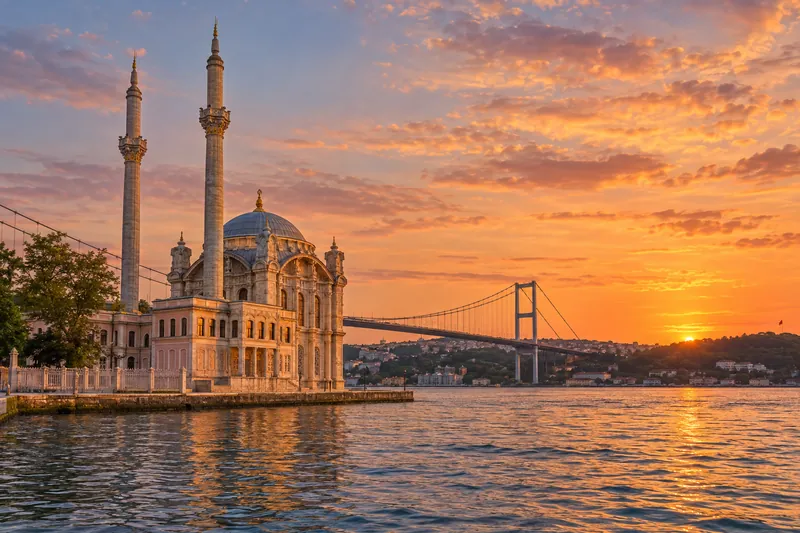
6-Day Private Istanbul & Cappadocia Tour with Flights
Istanbul · Cappadocia
Includes: 4-star hotels · Domestic flights · Entrance fees
More from the blog
All articles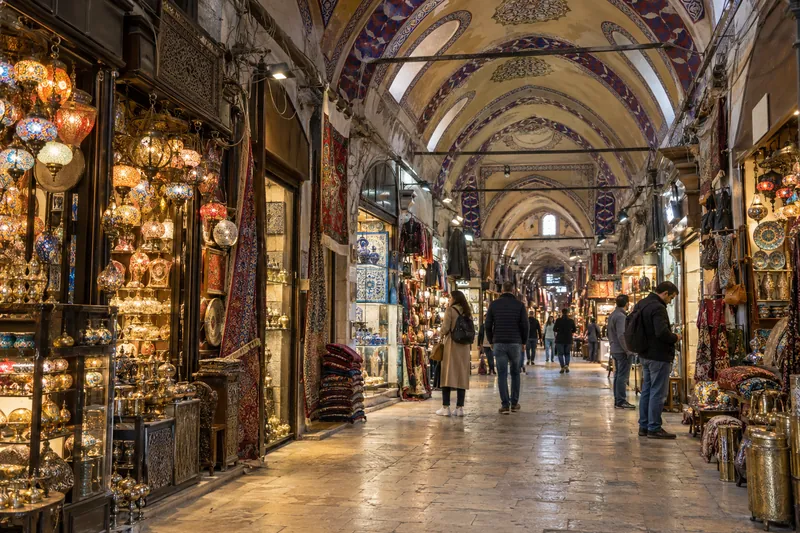
Turkey Itinerary Mistakes We See Most Often and How to Avoid Them
Ten common Turkey itinerary mistakes, from driving to Cappadocia to Tuesday at Topkapı, and the simple fix for each one.
 Evren SatırFounder, Turkey Itineraries · 7 min read
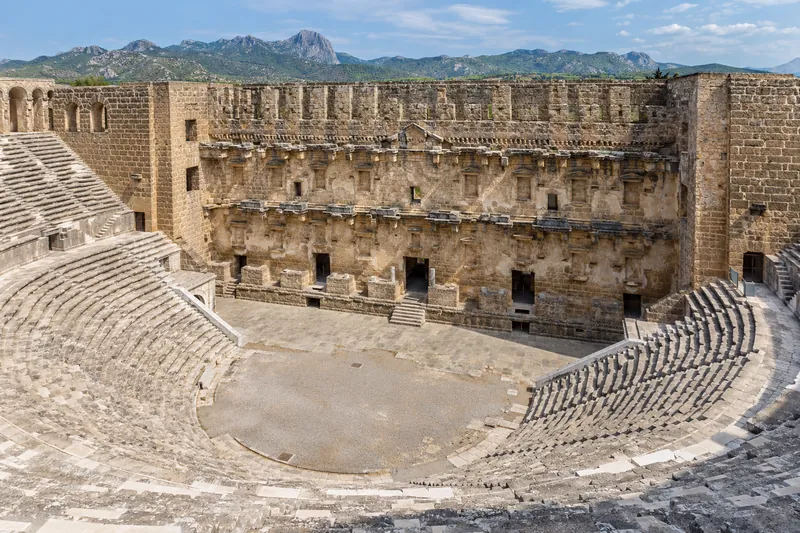
Antalya’s Ancient Cities in One Day: Perge, Aspendos and Side
The right order, driving times, October 2026 tickets and what to skip on a day trip to Perge, Aspendos and Side from Antalya.
 Osman DemirLicensed guide · 6 min read
Visiting Konya: Rumi’s Tomb, the Sema Ceremony and Seljuk Sites
Rumi's tomb, a real Saturday sema, Seljuk tilework and a plate of etli ekmek: how to spend a night in Konya between Cappadocia and Pamukkale.
 Bahar ÖzdemirLicensed guide · 7 min read