
Istanbul
Istanbul Old City in One Day: A Guide’s Plan for Sultanahmet

By KübraLicensed national guide · 14 years
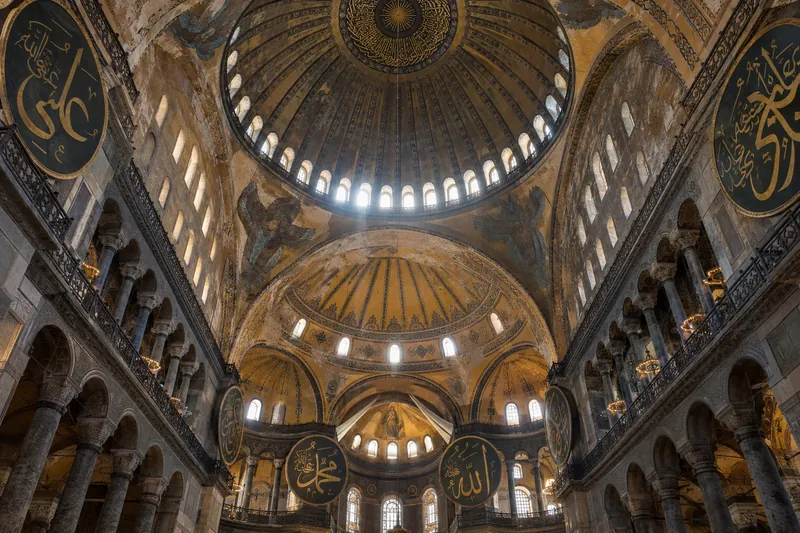
Short answer: You can see Istanbul’s old city highlights in one long day if you start at Topkapı Palace when it opens, visit Hagia Sophia and the Blue Mosque between prayer times, walk the Hippodrome, and finish in the Basilica Cistern. Two days is more comfortable, especially if you want the Harem and a slower pace. Topkapı is closed on Tuesdays, so plan around that.
Almost every first visit to Istanbul starts in Sultanahmet, and for good reason. Hagia Sophia, the Blue Mosque, Topkapı Palace, the Basilica Cistern and the Hippodrome all sit within a short walk of each other, inside the area UNESCO lists as the Historic Areas of Istanbul. The challenge is not distance. It is timing: prayer times, cruise-ship crowds, a weekly closing day and security lines can turn a simple walk into a lot of waiting.
Here is how I plan this day for our guests, and the rules you need to know as of October 2026.
What has changed at Hagia Sophia for foreign visitors?
Since January 15, 2024, foreign visitors to Hagia Sophia pay an entrance fee and see the building from the upper gallery, while the ground-floor prayer hall is reserved for worship. Turkish citizens who come to pray enter free.
Hagia Sophia was dedicated in 537 under Emperor Justinian, became a mosque after 1453, a museum in 1935, and a mosque again in 2020. The current system separates the two uses. Visitors use a dedicated tourist entrance, buy their ticket on the gallery level and follow a set route through the upper galleries, then leave by a ramp on the northeast side. When the fee was introduced it was set at 25 euros, and recent 2026 reports still give that figure; check the amount at the gate, because it is charged in lira at the day’s rate.
From the galleries you see the dome, the great medallions, and the Byzantine mosaics on the upper level, including the Deesis panel. You do not walk on the carpeted prayer floor. Many guests are surprised by this, but the view from above is actually the classic way to understand the scale of the building.
Two practical points. First, access pauses during prayer times, and the longest pause is around the Friday noon prayer. Second, the Hagia Sophia History and Experience Museum across the street is a separate attraction with its own ticket. It is a good rainy-day addition, but it is not the building itself.
When is Topkapı Palace closed, and do you need the Harem?
Topkapı Palace is closed every Tuesday, and its ticket office works from 9:00 to 17:00, according to the National Palaces administration that runs it. The Harem is worth it if you have at least three hours for the palace.
Topkapı was the main residence of the Ottoman sultans for centuries. You walk through a series of courtyards: the outer court with the Byzantine church of Hagia Irene, then the kitchens, the treasury, the relic rooms and the terraces over the Bosphorus. The Harem was the private family quarters, with tiled rooms that many people find the most memorable part of the visit.
As of October 2026, the official National Palaces site lists separate tickets for the Harem and for Hagia Irene at 1,050 TL each for foreign visitors. Prices for the main palace ticket and combined options change often, so I suggest checking the official site the week you travel rather than relying on any figure printed in a blog, including this one.
If Tuesday is your only day in the old city, simply swap the order: do Hagia Sophia, the Blue Mosque, the Hippodrome and the Cistern, and add the Grand Bazaar or the Istanbul Archaeology Museums instead of Topkapı.
How do you visit the Blue Mosque without getting stuck at prayer time?
The Blue Mosque (Sultan Ahmed Mosque) is free to enter, but it closes to visitors during each of the five daily prayers. Go in the morning before the noon prayer, or in the mid-afternoon gap.
The mosque was built for Sultan Ahmed I between 1609 and 1617, and it reopened in 2023 after a long restoration. Visitors use a separate entrance from worshippers, and staff at the door will point you to it. Prayer times move with the sun through the year, so the noon prayer can fall anywhere from around midday to after 1 p.m. depending on the season. On Fridays, the congregational noon prayer keeps the mosque closed to visitors until early afternoon.
Inside, you take off your shoes and carry them in a bag provided at the door. The famous blue tiles are mostly in the upper levels, so look up.
What should you wear to the mosques?
Cover your shoulders and knees, and women should cover their hair. This applies at both Hagia Sophia and the Blue Mosque.
- Everyone: long trousers or a skirt below the knee, and sleeves that cover the shoulders. Shorts are not accepted.
- Women: a light scarf for the hair. Loaner scarves are usually available, but bringing your own is easier and more hygienic.
- Shoes: you will remove them, so slip-on shoes save time. Bring socks if you dislike walking barefoot on carpet.
For a full packing and dress list for the rest of the country, see our Turkey travel tips.
What is the right order for one day in the old city?
Start at Topkapı at opening time, move to Hagia Sophia and the Blue Mosque around the prayer schedule, and save the Basilica Cistern for late afternoon, since it stays open into the evening. This order keeps you ahead of most tour groups.
| Time | Stop | Why then |
|---|---|---|
| 9:00 to 12:00 | Topkapı Palace and Harem | Courtyards and treasury are quieter at opening |
| 12:00 to 13:30 | Lunch in Sultanahmet | Midday prayer usually pauses mosque visits |
| 13:30 to 15:00 | Hagia Sophia (upper gallery) | After the noon prayer, before the afternoon one |
| 15:00 to 15:45 | Blue Mosque | Fit it into the gap between prayers |
| 15:45 to 16:30 | Hippodrome | Open-air, no tickets, no closures |
| Late afternoon | Basilica Cistern | Open until 22:00, cool and calm later in the day |
Treat the times as a frame, not a contract. On the day, I check the exact prayer times for Istanbul and shift Hagia Sophia and the Blue Mosque by half an hour if needed. On a Friday, I reverse the morning and do the mosques early, before the noon prayer.
How do cruise ships affect the crowds?
When large ships are in port, the old city fills up from mid-morning to mid-afternoon, because shore excursions arrive by coach and leave before evening. You beat them by being early at the first site and late at the last.
Istanbul’s cruise port is at Galataport in Karaköy, across the Golden Horn from Sultanahmet. Ship schedules are published by the port, and it is worth a quick look before you fix your day. On a heavy ship day, I move the Basilica Cistern to the evening and start Topkapı right at opening. Security lines at Hagia Sophia are usually shortest early or late, not in the middle of the day.
What do you see at the Hippodrome and the Basilica Cistern?
The Hippodrome is the old Byzantine chariot-racing ground, now a long public square with three ancient monuments. The Basilica Cistern is a sixth-century underground reservoir held up by a forest of marble columns.
At the Hippodrome, look for the Egyptian Obelisk of Theodosius, first raised for the pharaoh Thutmose III and brought to Constantinople in the fourth century; the bronze Serpent Column, which came from the sanctuary of Delphi in Greece; and the rough stone Walled Obelisk. At the north end stands the German Fountain, a gift from Kaiser Wilhelm II. It takes 30 to 45 minutes with someone to explain what you are looking at.
The Basilica Cistern was built under Justinian in the sixth century to store water for the Great Palace area. You walk on raised platforms between the columns, and at the far end are two column bases carved with Medusa heads, one sideways and one upside down. The official site gives daily opening hours of 9:00 to 22:00. It is run by the city, not the Ministry, so state museum passes do not cover it. The line at the door can be long at midday, which is another reason to go later.
What should you skip if you are short on time?
If you have half a day, choose Hagia Sophia, the Blue Mosque and the Hippodrome, which sit side by side. Skip the Harem and the Cistern, or save them for a second day.
- Half a day: Hagia Sophia, Blue Mosque, Hippodrome. Around three hours with security and shoes.
- One full day: the plan above, with Topkapı and the Harem.
- Two days: split it. Day one for Topkapı, the Harem and the Archaeology Museums. Day two for Hagia Sophia, the Blue Mosque, the Hippodrome, the Cistern and the Grand Bazaar, with time to sit for tea.
Older travelers and anyone with knee trouble should know the old city is hilly and paved with cobblestones in places, and Topkapı alone involves a lot of walking on uneven ground. Two shorter days are kinder than one long one. Our guide to how many days you need in Turkey can help you decide how much time to give Istanbul overall.
Is it worth having a guide in Sultanahmet?
A licensed guide is not required at these sites, but it changes the day. In Hagia Sophia especially, the meaning of the mosaics and inscriptions is easy to miss without someone pointing it out, and a guide also handles the timing around prayers and lines.
Licensed guides in Türkiye carry an official badge, so ask to see it if someone offers to guide you at the gate. If you want to see the old city alongside the rest of the city, our 4-day private Istanbul tour spreads these sites over comfortable days, and you can read more about the city in our Istanbul guide. If you are combining Istanbul with Cappadocia or the coast, Build your trip lets you set the pace yourself.
Arriving by cruise ship? This plan also works as a port day from Galataport. See our Turkey shore excursions guide for a private Old City tour that gets you back to the ship on time.
Sources
- National Palaces: Topkapı Palace visiting information
- Basilica Cistern official site
- Gazete Vatan: Hagia Sophia visitor arrangement from January 15, 2024 (Turkish)
- Wego: Hagia Sophia visitor guide 2026
- Istanbul.com: Blue Mosque visiting information
- UNESCO World Heritage Centre: Historic Areas of Istanbul
FAQ
Can foreign tourists go onto the ground floor of Hagia Sophia?
No. Since January 15, 2024, foreign visitors on a sightseeing visit enter through a separate tourist entrance, pay a fee and follow a route through the upper galleries. The ground floor is reserved for prayer. You still see the dome, the medallions and the gallery mosaics, and the view from above shows the scale of the building well.
Which day is Topkapı Palace closed?
Topkapı Palace is closed every Tuesday, according to the National Palaces administration that manages it. The ticket office works from 9:00 to 17:00. If Tuesday is your only free day in Istanbul, visit Hagia Sophia, the Blue Mosque, the Hippodrome and the Basilica Cistern instead, and add the Grand Bazaar.
Is the Blue Mosque free to visit?
Yes. The Blue Mosque does not charge an entrance fee. It closes to visitors during each of the five daily prayers, and on Fridays it stays closed until after the congregational noon prayer. Dress modestly, remove your shoes at the door, and women should bring a scarf to cover their hair.
Can I see Hagia Sophia, the Blue Mosque and Topkapı in one day?
Yes, if you start at Topkapı when it opens and visit the two mosques in the gaps between prayer times. Add the Hippodrome, which needs no ticket, and finish in the Basilica Cistern, which is open until 22:00. It is a long day on foot, so many travelers prefer to split it over two days.
What is the dress code for mosques in Istanbul?
Shoulders and knees must be covered for everyone, so wear long trousers or a long skirt and sleeves. Women cover their hair with a scarf. Shoes come off at the entrance and are carried in a bag. Loaner scarves and wraps are often available at the door, but bringing your own is simpler.
Summarize this post with an AI assistant
Private tours that go there
Every tour runs with your own licensed guide and vehicle, and every one can be adjusted.
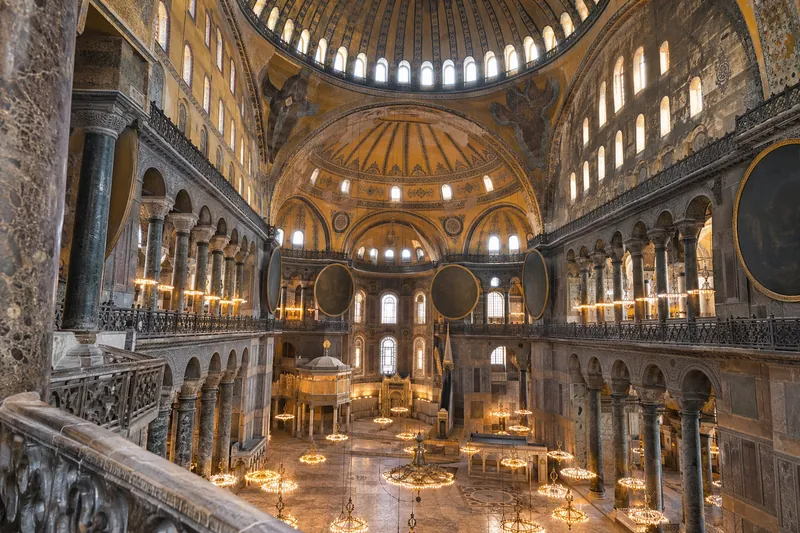
4-Day Private Istanbul Tour with Guide, Van & Optional Hotel
Istanbul
Guide and private vehicle included
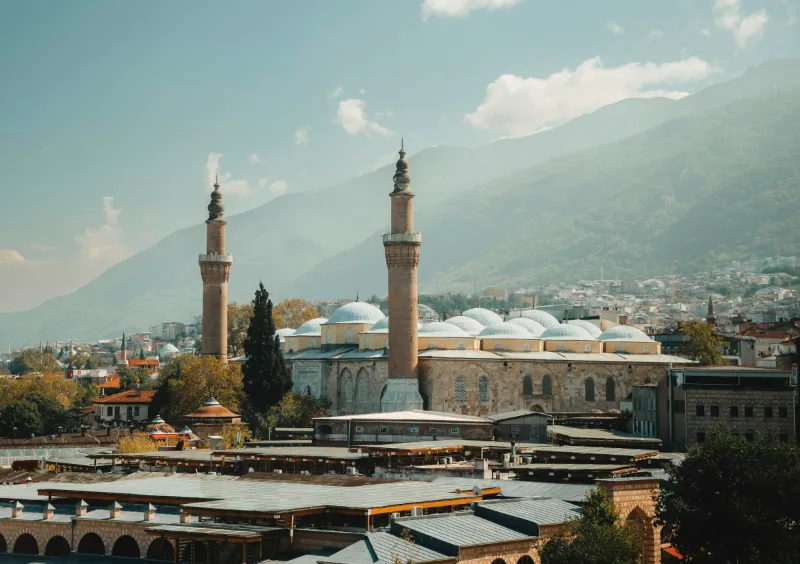
5-Day Private Istanbul & Bursa Tour: The Birth of the Ottoman Empire
Istanbul
Includes: 4-star hotels · Entrance fees
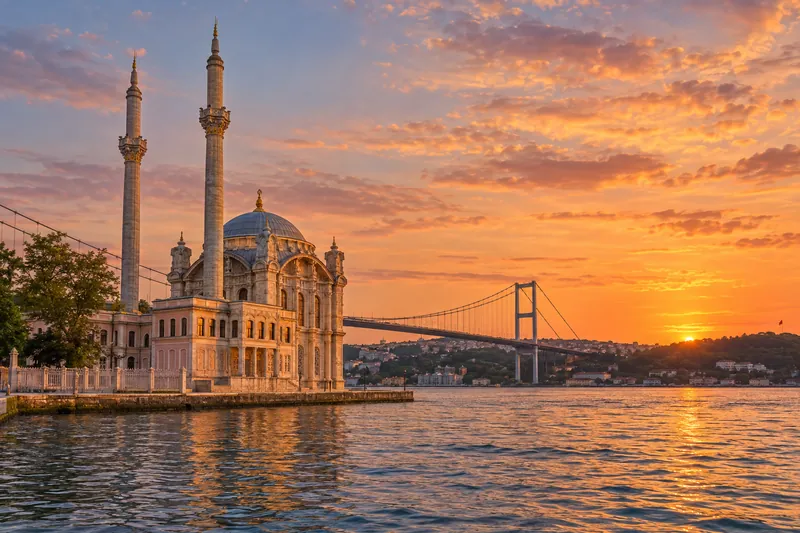
6-Day Private Istanbul & Cappadocia Tour with Flights
Istanbul · Cappadocia
Includes: 4-star hotels · Domestic flights · Entrance fees
More from the blog
All articles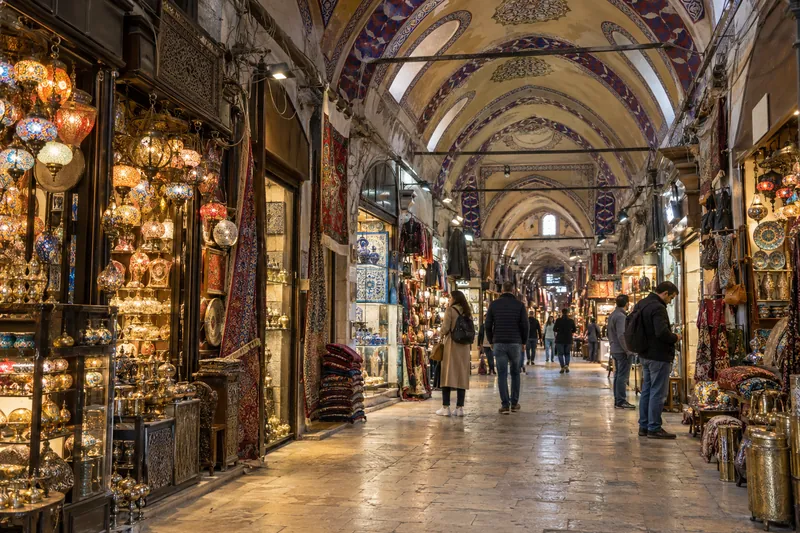
Turkey Itinerary Mistakes We See Most Often and How to Avoid Them
Ten common Turkey itinerary mistakes, from driving to Cappadocia to Tuesday at Topkapı, and the simple fix for each one.
 Evren SatırFounder, Turkey Itineraries · 7 min read
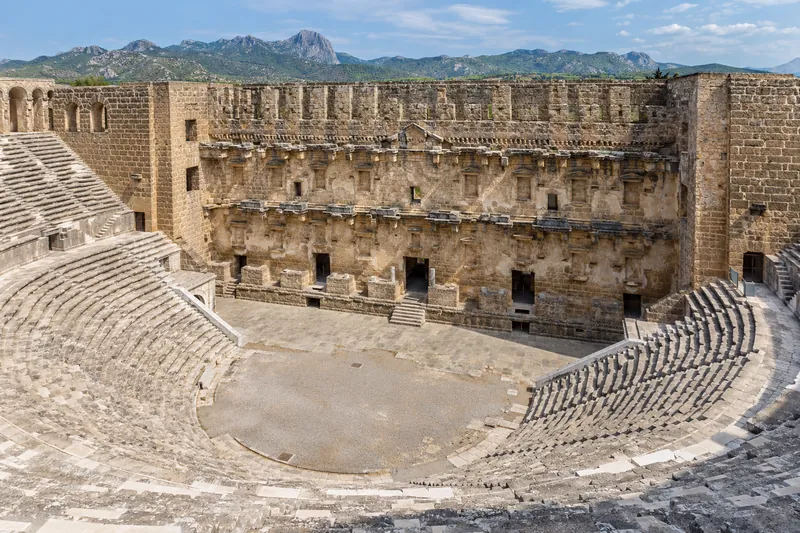
Antalya’s Ancient Cities in One Day: Perge, Aspendos and Side
The right order, driving times, October 2026 tickets and what to skip on a day trip to Perge, Aspendos and Side from Antalya.
 Osman DemirLicensed guide · 6 min read
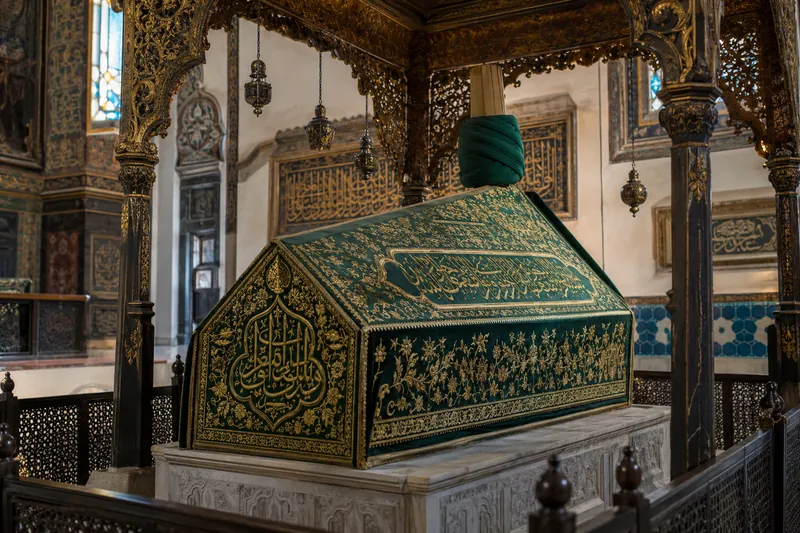
Visiting Konya: Rumi’s Tomb, the Sema Ceremony and Seljuk Sites
Rumi's tomb, a real Saturday sema, Seljuk tilework and a plate of etli ekmek: how to spend a night in Konya between Cappadocia and Pamukkale.
 Bahar ÖzdemirLicensed guide · 7 min read